Posture Scan - see what your body is telling you, before pain forces you to listen
Most people don’t notice their posture changing.
It happens gradually. More hours at a desk. Looking down at phones. Driving. Sitting. Repeating the same movements every day.
By the time discomfort appears — stiff necks, lower back pain, headaches, shoulder tension — your body has often been compensating for months or even years.
A Posture Scan lets us spot those problems early.
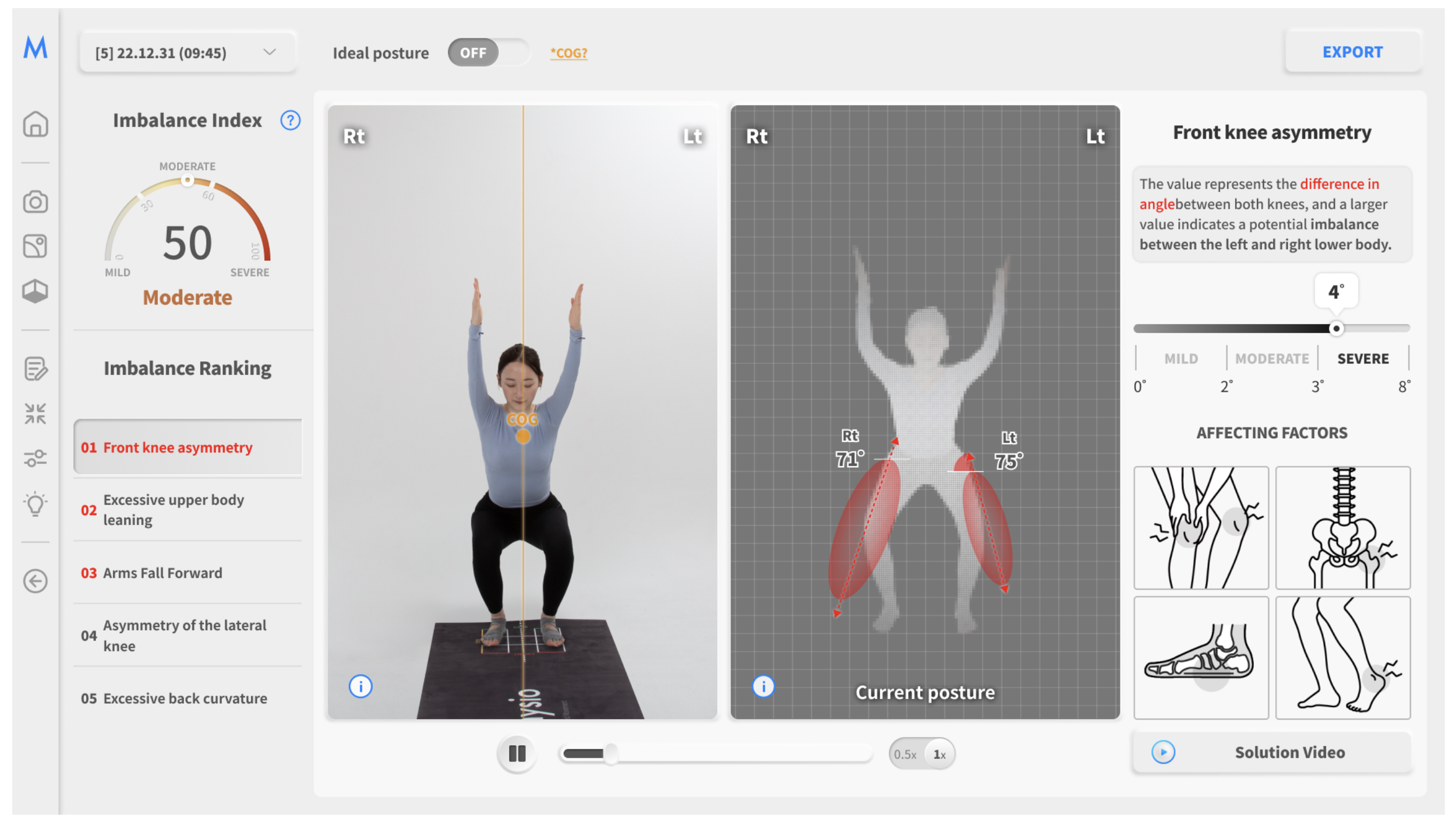
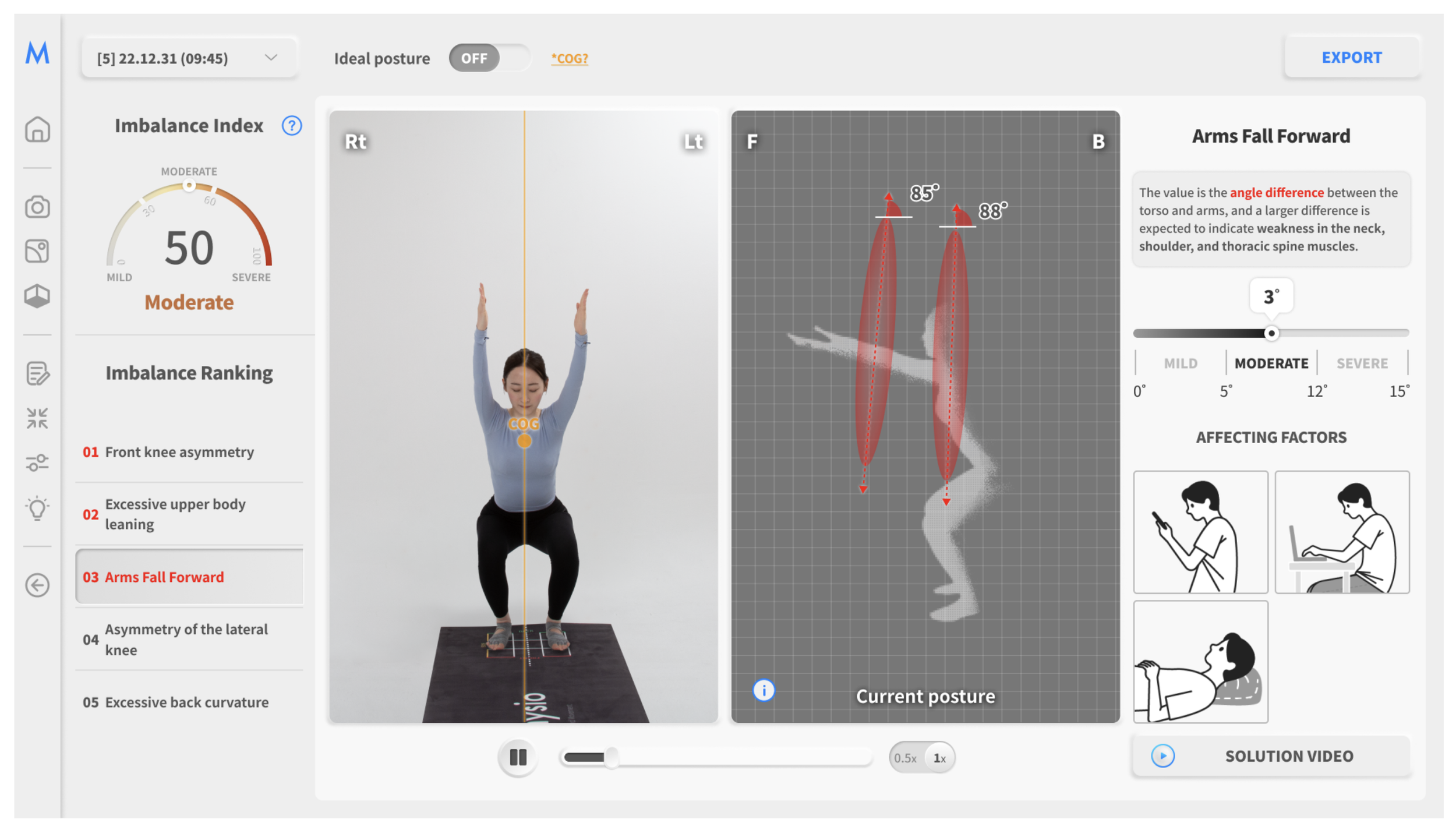
It’s a modern assessment that uses digital imaging and visual analysis to evaluate how your body is aligned from head to toe. We assess the relationship between your head, shoulders, spine, hips, knees and feet and identify the stresses your body is under — even when you don’t feel them yet.
What exactly is a posture corrector scan?
A posture scan gives a detailed snapshot of how your body is positioned when standing naturally.
Using specialised software and imaging, we analyse your alignment and measure:
Head position
Shoulder balance
Spinal curves
Pelvic tilt
Knee tracking
Foot positioning and weight distribution
Instead of guesswork, you get clear visual feedback showing where your body is working efficiently — and where it isn’t.
Why improving your posture matters more than you think
Poor posture isn’t just cosmetic.
It changes how your muscles, joints and nervous system function. When alignment is off, your body compensates. And compensation always has a cost.
Over time this commonly leads to:
Neck pain and stiffness
Lower back pain
Shoulder tension
Recurrent headaches
Hip discomfort
Knee pain
Reduced mobility
Fatigue
Breathing restriction
Many people treat these as separate issues. In reality, they often share the same root cause: mechanical imbalance.
The benefits of a posture scan
1. Early detection (before chronic pain develops)
Postural changes happen slowly. Most people don’t realise there’s a problem until symptoms appear.
A posture scan allows us to identify imbalances before they become persistent injuries, helping prevent long-term musculoskeletal problems.
2. Objective, measurable results
Unlike a quick visual check, this assessment provides measurable data and visual evidence.
You can actually see:
what’s happening
why it’s happening
and what needs to change
We can also compare scans over time to track your improvement.
3. Personalised treatment plan
No two bodies compensate the same way.
Your scan allows us to design a treatment plan tailored specifically to you, including:
targeted physiotherapy treatment
corrective exercises
mobility work
strengthening
stretching
ergonomic advice
We focus on the cause, not just the symptoms.
4. Better understanding of your own body
Patients often say this is the moment things “click”.
Seeing your alignment visually makes it easier to understand:
why your pain keeps returning
why stretching alone hasn’t worked
why certain exercises aggravate symptoms
This understanding improves motivation and makes treatment far more effective.
5. Injury prevention and long-term health
Poor posture increases stress on joints, ligaments and muscles. Over time this raises the risk of overuse injuries and degeneration.
Regular posture assessments help:
reduce recurring pain
improve mobility
improve breathing mechanics
improve movement efficiency
support long-term joint health
-
A posture scan is particularly helpful if you:
Work at a desk or laptop
Have recurring neck or back pain
Get tension headaches
Feel stiff when you wake up
Exercise but keep picking up injuries
Are returning to activity after injury
Notice one shoulder/hip feels tighter than the other
Spend long periods driving
Want to prevent future problems rather than react to them
-
Your appointment includes:
Posture scan imaging and analysis
Explanation of your results in plain English
Identification of the root causes of strain
A personalised plan to improve alignment
Practical exercises you can start immediately
You’ll leave understanding what’s happening in your body and what to do about it.
-
The goal isn’t “perfect posture”.
The goal is a body that:
moves efficiently
experiences less strain
recovers faster
and stays pain-free longer
Small alignment changes often create big improvements in comfort and mobility.
Book a posture scan and learn how to improve your posture
If you’ve been managing recurring pain, stiffness, or tension — or simply want to prevent future injury — a posture scan is an excellent starting point.
Book your assessment today and take the first step toward moving comfortably again.